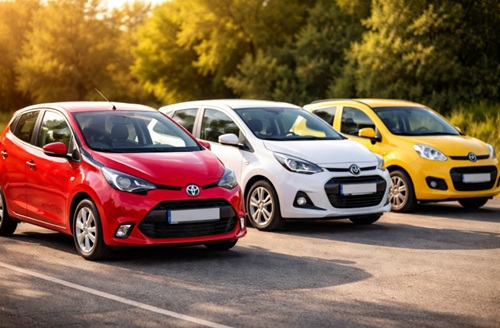
There is something quietly satisfying about a small car that just gets on with it. No drama, no fuss, no constant sense that it is costing more than it should. In 2026, owning that kind of car feels like a win, especially when so many are predicting a pricing apocalypse as supply issues are driving prices up.
small cars know exactly what they are. Simple petrol engines, sensible insurance groups, parts that are easy to find and cheap to replace, and a track record that has already been proven on our beloved UK roads. These are the cars that handle daily life without asking for much attention, whether that is commuting, popping across town, or just clocking up miles without complaint.
This list looks at the small cars that keep running costs firmly under control in the real world. Not theoretical savings or brochure promises, but the sort of cars that owners stick with because they are affordable, dependable and quietly enjoyable to drive. If keeping costs down matters as much as keeping things straightforward, these are the used small cars worth paying attention to this year.
What even counts as low running costs?
Low running costs are not about chasing the best number on a fuel economy or tax chart. In the real world, the cars that stay affordable tend to be the ones that keep everything else simple.
Fuel still matters but it’s only part of the picture. Insurance groups can make a bigger difference over a year than a few extra miles per gallon, especially for younger drivers or anyone renewing in a market where premiums have a habit of climbing. The same goes for servicing, where straightforward engines and familiar components usually mean quicker jobs and smaller bills.
Then there is the benefit of buying something well known. Small cars that have been around for a while tend to be easier to live with because nothing about them is rare or experimental. Parts are easy to source, independent garages know their way around them, and most issues have already been encountered and solved thousands of times over.
Weight and complexity play their role too. Lighter cars are kinder to tyres, brakes and suspension, while fewer systems mean fewer things to go wrong. Over time, those small, pretty boring advantages add up to ownership that feels predictable rather than punishing.
Top Picks
Vauxhall Adam
The Vauxhall Aam is a good example of how keeping things simple pays off long after a car has left production. Most used examples are powered by small-capacity petrol engines, such as the 1.2 or 1.4, which are well understood, inexpensive to service and unlikely to throw up unpleasant surprises when maintained properly. Insurance groups are typically low as well- with many standard-spec adams sitting in groups 2 to 6, which helps keep annual premiums manageable.
Running costs stay sensible elsewhere too. Fuel economy in everyday driving is respectable rather than headline-grabbing, but consumables like tyres and brakes are cheap, and parts availability is strong thanks to how widely the car was sold in the UK.
Purchase price is another part of the picture if you’re looking for upfront value. Prices have settled to a point where older, well-used examples represent solid value, and it is possible to see listings of a Vauxhall Adam at ChooseMycar coming in at just under the £4,000 mark, even with mileage still below 80,000.
Toyota Aygo
The Toyota Aygo has long been one of the safest bets for low-cost motoring, and that reputation still holds up well on the used market. Most examples use a 1.0-litre petrol engine that is well proven, inexpensive to service and mechanically simple. Insurance groups are typically very low, often sitting between groups 1 and 4, which keeps annual premiums among the cheapest of any small car.
Running costs stay sensible elsewhere too. The Aygo’s light weight helps keep fuel consumption low in everyday driving, while tyres, brakes and other parts are reasonable. Toyota’s reliability record also plays a role, helping to reduce the likelihood of unexpected repair bills when buying a well-maintained example.
Purchase prices remain accessible, with older cars widely available for around £4-£6k through main dealers and platforms like Auto Trader, often making it one of the cheapest ways into dependable used motoring.
Hyundai i10
The Hyundai i10 sits just above the smallest city cars but manages to keep ownership costs firmly under control. Petrol engines are straightforward and reliable, and insurance groups tend to fall into the lower brackets, making it an accessible option for a wide range of drivers.
Fuel economy is solid rather than headline-grabbing, but the i10’s relatively low weight helps reduce wear on tyres, brakes and suspension. Parts availability is strong across the UK, and most independent garages are very familiar with the model, which helps keep servicing costs predictable.
Used values have remained sensible too, with even models less than five years old available for under £8,000: there’s plenty of choice available through Hyundai-approved dealers and larger used-car marketplaces.
Kia Picanto
The Kia Picanto follows a similar approach to the i10, focusing on simplicity and predictable ownership rather than complexity. Small petrol engines dominate the used market, insurance groups are low, and fuel consumption is easy to live with in everyday driving.
Servicing and replacement parts are generally inexpensive, and for buyers looking at newer used examples, Kia’s long warranty can still be in place, which helps reduce the risk of unexpected costs. Even outside of warranty, ownership tends to remain affordable.
As a used buy, the Picanto appeals to drivers who want costs to stay consistent rather than creep up over time.
Volkswagen Up
The Volkswagen Up often feels more solid than many city cars, but that does not come with a penalty when it comes to running costs. Petrol engines are efficient and well supported, insurance groupings are sensible, and parts availability is excellent thanks to strong UK sales.
Reliability has generally been good, which helps keep long-term ownership predictable. Servicing is straightforward, and most independent garages are familiar with the Up’s mechanical setup.
Used prices can sit slightly higher than some rivals, but the combination of low running costs and build quality continues to attract buyers (and this is a great option for young drivers).
Skoda Citigo
Closely related to the Volkswagen Up, the Skoda Citigo offers much of the same low-cost ownership appeal without the stronger badge pull. Petrol engines are efficient and simple, insurance groups remain low, and consumables such as tyres and brakes are inexpensive.
The Citigo’s lack of complexity works in its favour over time, keeping servicing and repair costs modest. Parts availability is strong, and labour costs tend to stay reasonable thanks to widespread familiarity.
It is often easier to find good-value examples through independent dealers and general used-car platforms, where prices can undercut equivalent Ups.
Suzuki Swift
The Suzuki Swift shows that low running costs do not have to come at the expense of driving enjoyment. It is light, efficient and generally very reliable, with petrol engines that have built a strong reputation for durability. Insurance groups are usually reasonable for the class.
Fuel economy holds up well in real-world use, and the Swift’s relatively simple mechanical layout helps keep servicing and repair bills under control. It also tends to be well looked after by owners, which helps when buying used.
While not always the cheapest small car to buy outright, it balances affordability with character better than most.
Peugeot 108
The Peugeot 108 keeps things firmly focused on affordability. Lightweight construction and small petrol engines help keep fuel use down, while insurance groups are typically among the lowest in the segment.
Servicing is simple, replacement parts are inexpensive, and road tax is low on most versions. For drivers spending most of their time on short journeys or urban routes, those savings add up quickly.
Used examples are widely available through dealer networks and online marketplaces, helping keep purchase prices competitive.
Ford Ka+
The Ford Ka+ offers more interior space than many city cars while still keeping running costs sensible. Petrol engines are straightforward and inexpensive to service, and insurance groups remain relatively low compared with larger superminis.
Fuel economy is respectable, and parts availability is excellent thanks to Ford’s strong UK presence. That familiarity also helps keep labour costs down when using independent garages.
On the used market, the Ka+ often represents great value. If you’re really watching the pennies you can even bag a good condition 2016 model for around £5k.
Fiat Panda
The Fiat Panda rounds out the list as a car that has always prioritised simplicity and usability. Petrol engines are easy to live with, parts are inexpensive, and insurance costs tend to stay reasonable.
It copes well with short, frequent journeys and urban driving, where its compact size and light weight help reduce wear and tear. Refinement may not be its strongest point, but ownership costs remain refreshingly low.
As a used buy, the Panda continues to appeal to drivers focused on keeping everyday motoring affordable rather than chasing features.
Petrol, diesel or hybrid: which keeps running costs lowest?
To end things off, be aware that the type of engine matters just as much as the badge on the bonnet. In the used small car market, petrol, diesel and hybrid all have their place, but they do not offer the same ownership experience once the miles start to add up.
Diesel has largely lost its edge at this end of the market, despite arguments that they do last. In some cases it still makes sense for high-mileage drivers, but small diesel engines rarely deliver the savings they once did, particularly when most journeys are short. Add in emissions rules, clean air zones and the risk of issues linked to stop-start driving, and diesel can quickly feel like the wrong tool for the job.
Hybrids promise efficiency, but they are not always the low-cost option they appear to be. Used prices are higher, insurance can be more expensive, and the added complexity brings the potential for bigger bills later on. In larger cars the trade-off can make sense, but in small cars the sums often fail to work in the buyer’s favour.
That leaves petrol, and more specifically, uncomplicated petrol. Small-capacity engines without layers of tech tend to be easier to service, cheaper to insure and less demanding over time. They cope well with short trips, are kinder to consumables, and benefit from widespread parts availability and garage familiarity.
For drivers focused on keeping ownership predictable rather than chasing marginal savings, petrol still offers the clearest path to low running costs in 2026.
