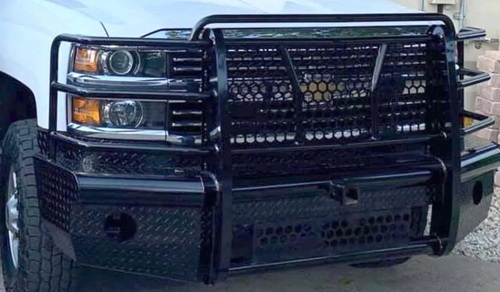
For any vehicle owner, to replace a damaged or worn-out bumper is a job that brings much reward. Very manageable with some patience and the correct tools a bumper replacement is, no matter if a dent from a minor bump is what you are dealing with or if to upgrade the front-end style of your 4×4 or pickup you only want. Great durability and a rugged look that completely changes the road presence of your vehicle are offered by premium, heavy-duty upgrades to replace your factory setup—like options from specialist brands such as Iron Ox Products. By doing the installation work by yourself, significant money on garage labour costs is saved, and also you make sure the job is finished exactly how you like it.
Before you start the process, that modern vehicles often have integrated technology and parking assist sensors which need very careful handling must be understood, even though straightforward a bumper replacement is. Also, if you are fitting a heavy-duty aftermarket steel bumper, to pass your annual MOT test it must comply with pedestrian safety regulations. In this step-by-step guide, explained will be the essential tools, safety steps, and the main method needed to successfully change your bumper at home.
Tools and Materials You Will Need
To keep the project moving smoothly and stop any trips in the middle of the repair to the local motor factors (like Euro Car Parts), to have the right tools ready before you begin is important. Gather these items before unboxing your new bumper:
- Socket Set and Ratchet: Needed is a full metric socket set (usually from 10mm to 18mm for most common 4x4s and estates).
- Torx Bit Set: Secured with Torx screws (usually T15 or T20) are many modern trim pieces and wheel arch liners.
- Trim Removal Tool: Very important for removing plastic rivets and clips without breaking the fasteners or scratching your paint a plastic pry tool is.
- Flathead and Phillips Screwdrivers: For small adjustments and stubborn clips used.
- Safety Gear: Protective eyewear and mechanics gloves.
- Penetrating Oil: If on an older vehicle with rusted chassis rail bolts you are working, essential this is.
Step 1: Safety and Preparation
On a flat, level surface park your vehicle, pull tightly the handbrake, and turn off the engine ignition. The negative battery terminal must be disconnected before starting the project. Because modern bumpers contain sensitive electronics, parking distance sensors, and fog light wiring looms that touched should not be while live is the electrical system, a crucial safety step this is.
Next, a moving pad, a blanket, or a large piece of cardboard lay down underneath the front or rear bumper. This protects your old bumper during removal and stops from getting scratched on the concrete floor your brand-new replacement bumper during the installation process.
Step 2: Disconnecting Wiring Looms and Trim
Before you unbolt the structural parts, cleared away must be the plastic components and wiring that tie the bumper to the vehicle body.
- Access the Wheel Arches: To gain clearance, turn fully your front wheels to one side. Removed must then be the screws or plastic clips securing to the bumper cover the inner wheel arch liner.
- Remove the Top Shroud: Open the bonnet and look for the plastic radiator shroud that goes across the top of the grille. Use your trim tool to pop out the push pins and lift away the shroud.
- Unplug Electronics: Reach behind the bumper or look underneath to locate the main wiring loom. If equipped on your vehicle, unplug the connections for the fog lights, ambient temperature sensors, and cruise control radar sensors. Carefully unclip from the bumper chassis the wiring loom so out of the way it hangs safely.
Step 3: Unbolting and Removing the Old Bumper
Now that the accessories are disconnected, the main structural bolts holding the bumper to the chassis brackets can be removed by you.
Supported must be the weight of the bumper before the final bolts are taken out. If to hold the opposite side a helper you do not have, place blocks or axle stands underneath the bumper so unexpectedly it does not drop.
The primary mounting bolts must be located, which typically are accessed from underneath the vehicle or through the openings in the grille. Use your socket wrench to loosen and remove these heavy-duty fasteners. Once out are the bolts, gently pull the bumper straight away from the vehicle. If stuck it feels, double-check for hidden push-pins along the wing seams or underlying brackets.
Step 4: Transferring Components to the New Bumper
If pre-assembled with factory trim your new bumper did not come, transferred by you will need to be the components from the old unit. Side-by-side on your protective blanket, lay both bumpers.
Carefully removed from the old bumper and onto the new one installed must be the fog light housings, parking sensor bezels, and factory brackets. Take your time during this step; because brittle can be plastic sensor clips, applied must be gentle pressure when snapping them into their new housing slots.
Step 5: Installing the New Bumper
Lift the new bumper into place, aligning with the factory chassis rails the mounting brackets. To prevent accidental drops or bad alignment, highly recommended here also is having a second pair of hands or using axle stands.
Hand-thread the main mounting bolts into the chassis rails. Completely with your ratchet do not tighten them just yet. By stepping back while the bolts are loose, checked should be the alignment of the bumper relative to the headlights, grille, and wings. Adjust the positioning until even on both sides are the gaps, and then torque the mounting bolts to the specified tightness of the manufacturer.
Step 6: Reconnection and MOT Testing Prep
Reattached now must be the inner wheel arch liners, top radiator shroud, and any plastic clips removed during disassembly. Reconnected should be the electrical wiring looms for your sensors and fog lights, making sure they are tucked away safely from hot engine parts or moving components the wires are. Also, securely attached with screws or double-sided tape make sure your front registration plate is, because an MOT test a missing plate will fail.
Finally reconnected can be the negative battery cable. Start your vehicle so tested can be all electrical functions—including indicators and fog lights. If featured on your vehicle are parking sensors or driver-assist technology, a slow test drive should be taken to ensure the system calibrates correctly with the new installation. For the British roads, refreshed, protected, and ready your vehicle now is.
